Let me take you back to a humid summer night in New Orleans, where I first learned the soul of a perfect cream sauce base. I was 22 years old and working the line at a café that was filled with customers. In a moment of desperation, I grabbed a knob of cold butter, a splash of bourbon from the bartender’s station, and a handful of fresh thyme. I whisked like my career depended on it, and by some miracle, the sauce came together. The guests raved about its “complex richness,” and that’s when it clicked: A cream sauce isn’t just a recipe. It’s a story.
This article isn’t about following steps. It’s about understanding the why behind the technique, so you can craft a cream sauce base that’s unmistakably yours. Let’s get into it.
The Science of Sizzle: Why Fat is Your Cream Sauce Base’s Best Friend
Every great cream sauce starts with fat, but not all fats are created equal. Butter is the classic choice, but here’s a trick I stole from a Texan pitmaster: Render bacon fat into your butter. The smokiness adds depth, and the higher smoke point means you can crank the heat without burning your aromatics.
For seafood or vegetarian dishes, I lean into browned butter ghee. Clarifying the butter removes the milk solids that burn easily, but if you let it caramelize just until it smells like toasted nuts, you’ll add a layer of complexity that plain butter can’t match.
Pro Tip: Swap heavy cream for coconut cream in a pinch. It’s richer, slightly sweet, and holds up beautifully with spicy or citrusy flavors.
Building Umami: The Secret Layers That Elevate Your Cream Sauce
Umami is the secret weapon most home cooks ignore. Before you pour in the cream, build a flavor foundation that makes your sauce unforgettable.
Start by deglazing your pan with something unexpected. Dry vermouth, with its subtle herbal notes, is my go-to over white wine. Let it reduce until the pan is nearly dry, then add a spoonful of white miso paste. Miso dissolves into the fat, adding a savory punch without overpowering.
For meat-based sauces, try anchovy paste. It melts into the background but gives the sauce a meaty backbone. Finish with a grating of nutmeg or a pinch of smoked paprika—these warm spices cut through the cream’s richness and wake up the entire dish.
Texture Mastery: From Gloppy to Glossy Without a Recipe
The difference between a sauce that coats the back of a spoon and one that sits in a sad puddle? Temperature control and patience.
Always add cold cream to a hot pan in stages. Pour in a third of the cream, let it simmer until it thickens slightly, then repeat. This slow incorporation prevents the fat from separating and gives you a velvety texture.
If you’re avoiding flour, try this trick I learned from a vegan chef: Grate a small raw potato into the simmering cream. The starch acts as a natural thickener, and it’s virtually undetectable once blended.
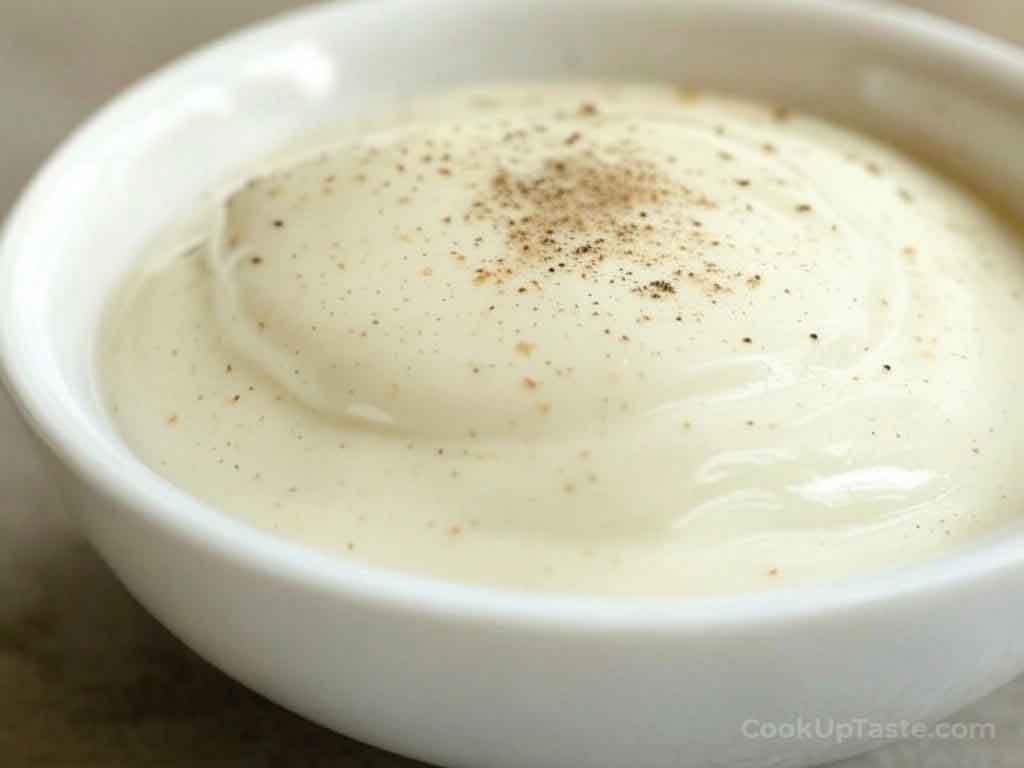
Regional Inspirations: Cream Sauce Base Across America
Why limit yourself to Alfredo? America’s culinary diversity is a goldmine for reinventing your cream sauce base.
In the Southwest, char poblano peppers over an open flame, peel off the skin, and blend them into your cream. Add a dash of cumin and lime zest, and you’ve got a sauce that pairs perfectly with grilled shrimp or roasted sweet potatoes.
Head to the South, and bourbon becomes your best friend. Reduce a shot of bourbon with brown sugar until it’s syrupy, then whisk it into your cream base. Drizzle it over fried chicken or biscuits for a sweet-and-savory twist.
In the Pacific Northwest, fold in roasted wild mushrooms and a touch of maple syrup. The earthiness of the mushrooms and the subtle sweetness of maple turn a simple cream sauce into a luxury fit for cedar-planked salmon.
Saving the Day: How to Rescue a Broken Cream Sauce Like a Pro
Even the best chefs mess up. If your sauce separates or curdles, don’t panic.
For a split sauce, grab an immersion blender. The mechanical force can re-emulsify the fats and liquids in seconds. No blender? Add a teaspoon of Dijon mustard, its emulsifying properties work like magic.
If your sauce is too thin, toss in a handful of grated Parmesan. It thickens the sauce while adding a salty, nutty flavor. Too thick? A splash of pasta water (or even hot broth) can loosen it up without diluting the taste.
Beyond the Expected: Creative Uses for Your Cream Sauce Base
Cream sauce isn’t just for pasta. Let’s break the rules.
Toss roasted vegetables like Brussels sprouts or cauliflower in a lemon-zested cream sauce before roasting. The cream caramelizes into a crispy, cheesy crust.
For dessert, reduce a vanilla-infused cream sauce until it’s thick enough to coat the back of a spoon. Layer it with fresh berries and crushed shortbread for a parfait that’ll steal the show.
Dairy-Free and Delicious: Reinventing Cream Sauce for Every Diet
Cream sauce isn’t off-limits for vegans or the lactose-intolerant. My favorite hack? Cashew cream.
Soak raw cashews overnight, then blend them with water until smooth. Use it as a 1:1 substitute for heavy cream, and add nutritional yeast for a cheesy flavor. For a tangy twist, stir in a spoonful of coconut yogurt.
If you’re nut-free, try silken tofu. Blend it with olive oil and a pinch of turmeric (for color), and you’ve got a silky, protein-packed sauce that clings to noodles like a dream.
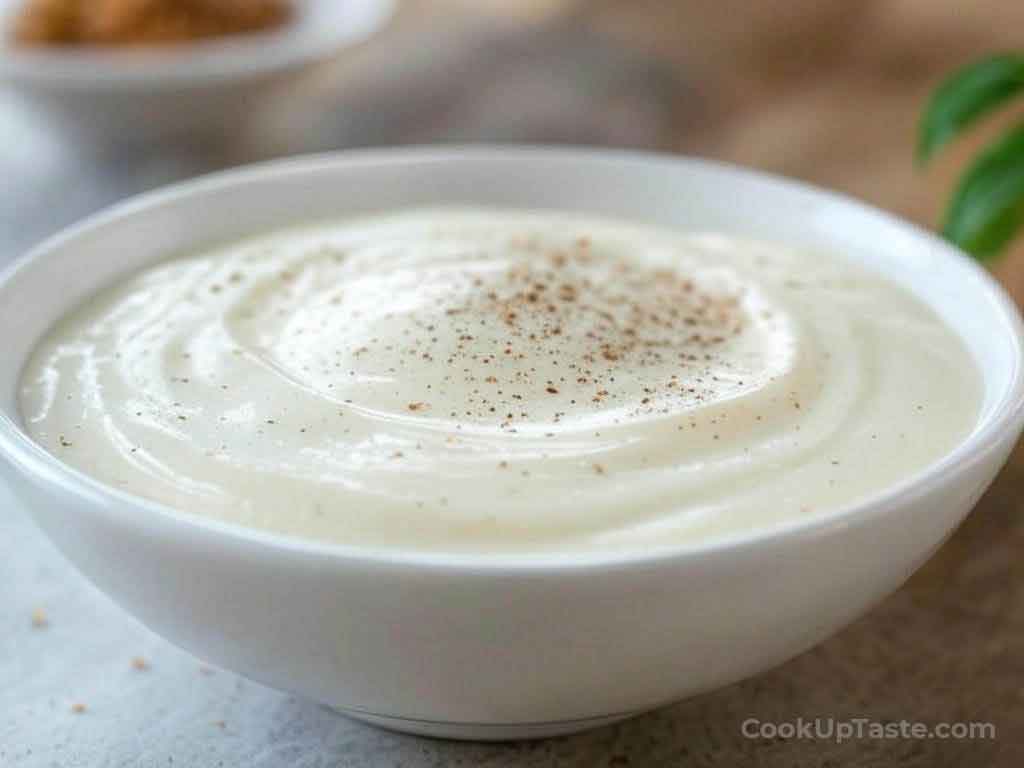
Chef’s Velvety Cream Sauce Base
Equipment
- Medium saucepan (2-qt)
- Whisk
- Wooden Spoon
- Fine-mesh sieve (optional, for ultra-smooth texture)
- Measuring cups/spoons
Ingredients
- 2 tbsp 30g unsalted butter (or ghee for higher heat)
- 1 small shallot minced (about 2 tbsp)
- 1 clove garlic grated
- 1/4 cup 60ml dry white wine or dry vermouth
- 1 cup 240ml heavy cream (or crème fraîche for tang)
- 1/4 tsp nutmeg freshly grated
- 1/2 tsp Dijon mustard emulsifier; optional
- 1/4 cup 25g Parmesan, finely grated
- Salt and white pepper to taste
Instructions
- Sweat aromatics: Melt butter over medium-low heat. Add shallot; sauté 3 minutes until soft. Add garlic; cook 30 seconds until fragrant.
- Deglaze: Pour in wine, scraping up browned bits. Simmer 2 minutes until reduced by half.
- Build sauce: Reduce heat to low. Slowly whisk in cream, then nutmeg and Dijon. Simmer 5 minutes, stirring often, until thickened to coat the back of a spoon.
- Finish: Off heat, stir in Parmesan. Season with salt and white pepper. Strain for silkier texture (optional).
Notes
Nutrition
Final Thought: Make It Your Own
The beauty of a cream sauce base lies in its flexibility. It’s a blank canvas waiting for your personality, whether that’s a dash of hot sauce, a handful of fresh herbs, or a splash of bourbon. Don’t be afraid to experiment. The worst that can happen? You’ll learn something. The best? You’ll create a sauce that becomes your signature.
Now, go grab that whisk and start saucing.







Thanks for sharing this recipe!